
Imagine this: you move into a new neighborhood, settle in, and the first person to greet you is an Indian neighbor, wearing a warm smile and perhaps offering a delicious homemade snack. Before long, you’re swept into a world that’s colorful, vibrant, and, admittedly, quite a bit more festive than you might be used to. Welcome to having an Indian neighbor!
India, the world’s largest democracy, is home to over 1.4 billion people. But within that vast population is an astounding variety of languages, religions, and cultural traditions, creating a tapestry of diversity that is hard to match. From Bollywood movies to the aroma of spices wafting from the kitchen, Indian culture is as fascinating as it is complex. So, for the curious non-Indian who might be wondering, “What’s behind the vibrant life of my Indian neighbor?” let’s dive into a few aspects of life in India that your neighbor might just bring to the block.

A Kaleidoscope of Languages
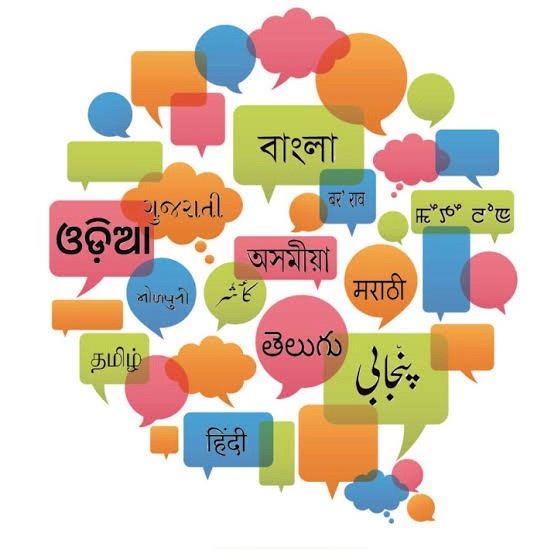
First things first: if your Indian neighbor switches between languages faster than you can say “hello,” don’t be surprised. India has 22 officially recognized languages (and over 1,600 dialects), with Hindi and English as the primary ones. Each state has its own language, and Indians often speak two or three languages fluently. In Australia, many Indian migrants also speak English and will probably surprise you with just how quickly they can switch between languages depending on who they’re talking to. The result? An Indian family gathering can sound like a multilingual symphony, and before you know it, you might even pick up a few Hindi or Tamil words yourself!
The Richness of Family Life
For Indians, family is more than just close-knit; it’s often the center of life. Traditional family structures in India are typically close, with many households including grandparents, parents, and children living together. The concept of a “joint family” is still quite common, especially in rural areas. Even when families are smaller, the sense of connection and duty to extended relatives is very strong. Here in Australia, you might notice that your Indian neighbors frequently host relatives or friends, celebrating occasions or simply enjoying each other’s company. Family means sharing, caring, and supporting one another — and this sense of unity often extends to friendships, making an Indian neighbor a wonderful support in times of need.
Religions and Spirituality
India is one of the most religiously diverse countries in the world. It is the birthplace of Hinduism, Buddhism, Jainism, and Sikhism, and is also home to large Muslim and Christian communities. Hinduism, the largest religion, involves a pantheon of deities, each with unique stories and festivals. India’s spiritual depth often influences everything from music to cuisine. If you’re lucky, you might get invited to a Diwali celebration — often called the Festival of Lights — where you can witness the joyful prayers, colorful decorations, and a spectacular display of lights that mark the victory of good over evil.
Religion in India is personal and communal, and while your Indian neighbor might be deeply rooted in their own beliefs, they likely appreciate and respect other beliefs as well, especially in multicultural Australia.
The Festival Calendar
Indians love to celebrate. With a festival around nearly every corner, life in India is punctuated by lively celebrations that honor deities, harvests, friendships, or simply the joy of being alive. Some of the big ones include:
• Diwali: The festival of lights, celebrating the triumph of light over darkness. You’ll notice plenty of candles, lanterns, and a few sweet treats.
• Holi: Also known as the festival of colors, where people throw powdered colors on each other. It’s messy, joyous, and symbolizes the coming of spring.
• Eid: Celebrated by Muslims across India, marking the end of Ramadan with feasts and charity.
• Christmas: Christians celebrate it much like the West, but with a touch of Indian flavor in food and decorations.
In Australia, these festivals are celebrated with the same enthusiasm, often with community gatherings and events. Don’t be surprised if your neighbor drops by with sweets or invites you to join the festivities.

Food: The Spicy Love Language
If you’ve ever walked by an Indian kitchen, you’ll know the aroma of Indian food is unmistakable. Spices like cumin, turmeric, cardamom, and coriander blend together to create flavors that are unique, bold, and unforgettable. Indian food is incredibly regional, with dishes varying widely from north to south. Northern dishes often feature rich, creamy gravies, while southern food is spicier, with rice as the staple. And yes, not all Indian food is spicy! There’s something for everyone — from mild to fiery hot.
If your neighbor offers you a homemade dish, accept it with open arms (and maybe a side of yogurt if you’re sensitive to spice!). Indian food is often seen as a way to connect, celebrate, and share happiness.
Life as an Indian in Australia
The Indian community in Australia has been growing steadily, with close to 1 Million Australians of Indian origin as of recent estimates. Indians in Australia bring their unique blend of cultures, maintaining strong ties to their roots while embracing Australian life. You’ll find that Indian families in Australia are active in both local and Indian communities, celebrating Australia Day just as passionately as Diwali. Groups like Indians in Sydney, Australia’s largest Indian social network, create a space for connection, helping Indian-Australians share cultural traditions and support one another. Indians in Sydney has grown to over 135,000 members, and through community events, charity initiatives, and social gatherings, it works to bridge cultural gaps, create friendships, and contribute to the multicultural heart of Australia
Indians in Australia often balance a respect for tradition with an openness to new ideas. And while life here might mean smaller family units and different job schedules, the values of hospitality, hard work, and a sense of community remain.
If you ever hear your Indian neighbor say, “Arrey yaar” (a common expression of surprise or excitement), consider yourself officially initiated. Indians have a wonderful sense of humor and often use expressions and gestures that might seem larger-than-life but are just a way of showing enthusiasm or surprise.
So, the next time you see your Indian neighbor, say “Namaste,” ask about their favorite Indian dish, or simply enjoy a conversation. You’ll find warmth, humor, and a world of knowledge right next door. With each story, dish, and celebration, you’ll get a little taste of India — without the 14-hour flight.