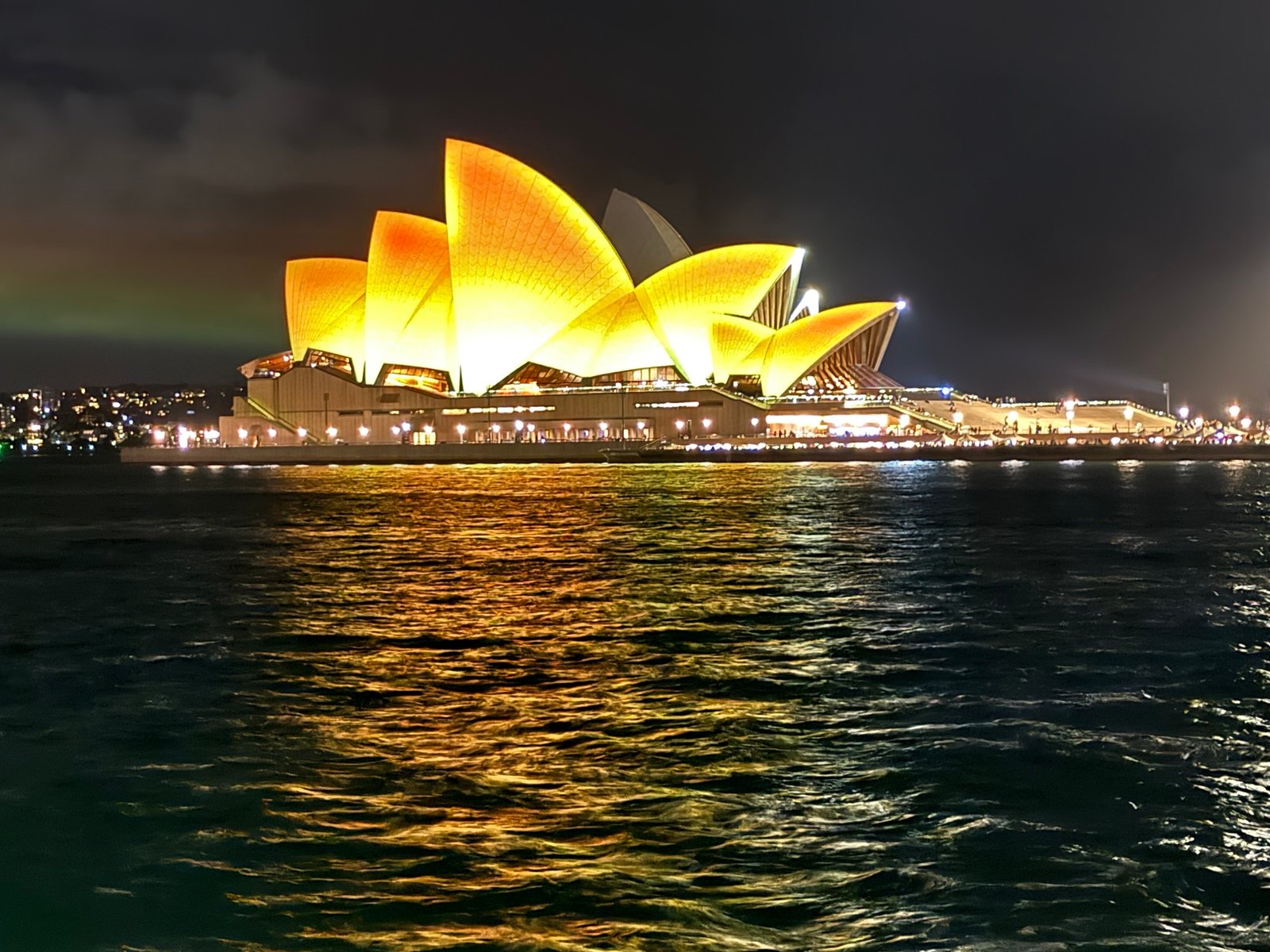
Sydney, a city renowned for its cultural diversity, boasts a vibrant Indian community that contributes significantly to the city’s multicultural fabric. Indian festivals are celebrated with great enthusiasm, bringing together people from various backgrounds to experience the joy and traditions of Indian culture. These festivals not only celebrate Indian heritage but also promote cultural exchange and foster unity within the broader Australian society. Here’s a deep dive into some of the most significant Indian festivals celebrated in Sydney, their cultural importance, and the impact they have on the community.
Diwali (Deepavali)
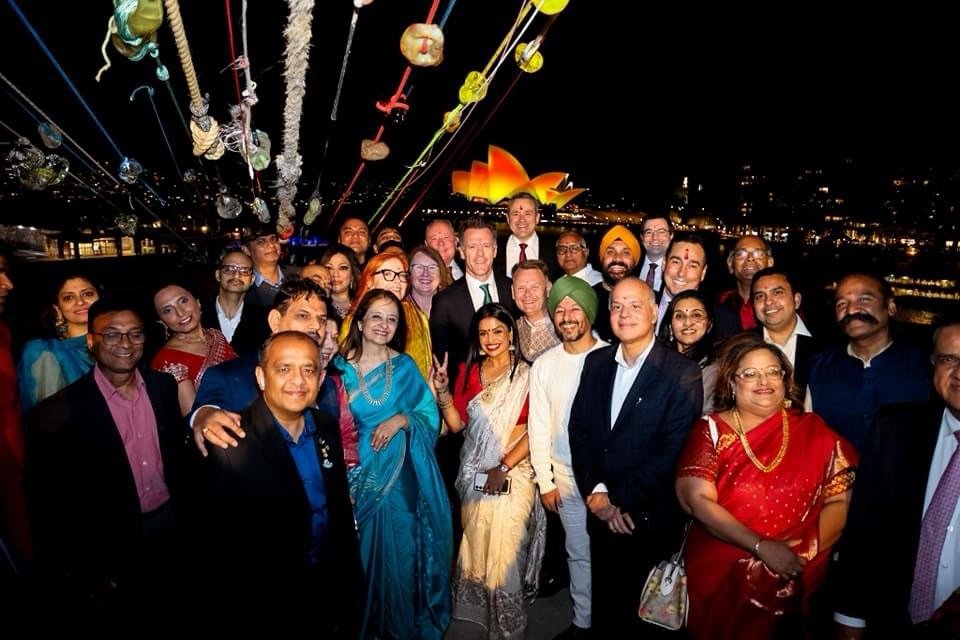
Diwali, also known as the Festival of Lights, is one of the most significant festivals for Hindus, Sikhs, Jains, and Buddhists. Celebrated in October or November, Diwali symbolizes the victory of light over darkness and good over evil. The festival is marked by lighting oil lamps, bursting fireworks, performing religious rituals, and sharing sweets and gifts with family and friends.
In Sydney, Diwali is celebrated with grand events that attract thousands of attendees. The Hindu Council of Australia and various community organizations organize Diwali festivities across the city. For instance, the Deepavali Festival at Prince Alfred Square in Parramatta and the Diwali Festival at Castle Hill Showground are major highlights. These events feature cultural performances, food stalls, traditional dances, and fireworks, creating a vibrant and festive atmosphere.
According to the Australian Bureau of Statistics, the Indian community in Sydney has grown significantly over the years, making Diwali celebrations even more prominent. In 2021, it was estimated that over 300,000 people of Indian origin resided in New South Wales, with a large concentration in Sydney. The increasing participation in Diwali festivities reflects the community’s pride in their cultural heritage and the city’s embrace of multiculturalism.
Holi
Holi, the Festival of Colors, is celebrated in March and marks the arrival of spring. It commemorates the victory of good over evil, inspired by the legend of Prince Prahlad and his triumph over the wicked Holika. The festival involves playing with vibrant colored powders, singing, dancing, and indulging in festive foods.
In Sydney, Holi is celebrated with exuberant events that bring together people of all ages and backgrounds. The Sydney Holi Festival at Bradfield Park and the Quakers Hill Festival of Colour are popular events that feature music, dance, and color play. These festivals attract thousands of attendees who come to enjoy the lively atmosphere and celebrate the spirit of unity and joy.
Holi celebrations in Sydney have also become an important platform for promoting cultural exchange. The events often include performances by local and international artists, showcasing traditional and contemporary Indian music and dance. Food stalls offer a variety of Indian delicacies, allowing attendees to experience the rich flavors of Indian cuisine. The inclusive nature of Holi helps build bridges between different communities, fostering mutual respect and understanding.
Navratri
Navratri, meaning “nine nights,” is a Hindu festival dedicated to the worship of the goddess Durga. Celebrated in September or October, Navratri involves fasting, prayers, and dance performances, particularly the traditional Garba and Dandiya Raas dances. Each night of the festival is dedicated to a different form of the goddess, and devotees come together to celebrate her divine power and grace.
In Sydney, Navratri is celebrated with great fervor, especially within the Gujarati community. Events like the Navratri Utsav at Whitlam Leisure Centre and the Garba and Dandiya nights organized by various cultural associations are major highlights. These events feature energetic dance performances, vibrant costumes, and live music, creating an electrifying atmosphere.
Navratri celebrations also include religious rituals and prayers, with devotees gathering at temples and community centers to seek the blessings of the goddess. The festival provides an opportunity for the Indian community to come together and celebrate their cultural heritage. It also attracts participants from other cultural backgrounds, promoting cultural exchange and fostering a sense of unity.
Dussehra
Dussehra, also known as Vijayadashami, marks the end of Navratri and celebrates the victory of Lord Rama over the demon king Ravana. The festival symbolizes the triumph of good over evil and is celebrated with processions, performances of the Ramayana, and the burning of effigies of Ravana.
In Sydney, Dussehra is celebrated with cultural programs, religious ceremonies, and community gatherings. Events like the Dussehra Mela organized by the Hindu Council of Australia feature traditional performances, music, dance, and food stalls. The effigy burning, a key highlight of the festival, attracts large crowds and signifies the destruction of evil and the restoration of righteousness.
Dussehra celebrations in Sydney also provide an opportunity for the Indian community to showcase their cultural heritage and educate others about the significance of the festival. The events are attended by people from various backgrounds, promoting cultural understanding and fostering a sense of community.
Tihar
Tihar, also known as Deepawali, is a five-day festival celebrated in Nepal and parts of India, including by the Nepalese community in Sydney. Tihar honors various deities and animals, including crows, dogs, and cows, and involves rituals, prayers, and feasts. Each day of the festival has its unique significance and rituals.
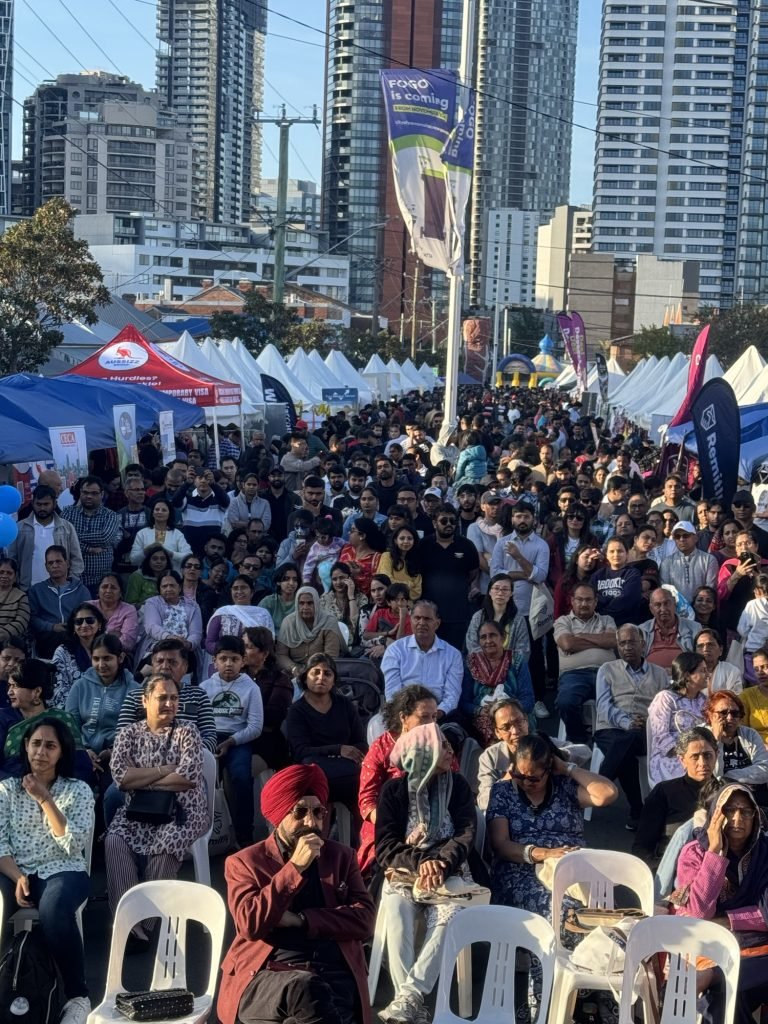
In Sydney, Tihar is celebrated with cultural events, traditional performances, and community activities. The Nepalese community organizes events such as the Tihar Festival at Auburn Park, featuring music, dance, and traditional food. The festival provides an opportunity for the Nepalese community to come together and celebrate their cultural heritage, while also inviting others to participate and learn about their traditions.
Tihar celebrations in Sydney reflect the diversity within the Indian subcontinent and highlight the rich cultural traditions of the Nepalese community. The festival promotes cultural exchange and understanding, fostering a sense of unity and respect among different communities.
Eid
Eid, celebrated by Muslims around the world, marks the end of Ramadan (Eid al-Fitr) and the completion of Hajj (Eid al-Adha). Eid al-Fitr, also known as the Festival of Breaking the Fast, is celebrated with prayers, feasts, and charitable giving. Eid al-Adha, known as the Festival of Sacrifice, commemorates the willingness of Prophet Ibrahim (Abraham) to sacrifice his son in obedience to God’s command.
In Sydney, Eid is celebrated with great enthusiasm and joy. The Muslim community gathers at mosques and community centers for special prayers (Salat al-Eid), followed by festive meals and communal activities. Events like the Eid Festival at Fairfield Showground and the Eid Celebration at Lakemba Mosque attract thousands of attendees.
Eid celebrations in Sydney are marked by a spirit of generosity and community. People exchange gifts, share meals with family and friends, and extend their hospitality to neighbors and the less fortunate. The festival provides an opportunity for the Muslim community to share their traditions and values with others, promoting cultural understanding and unity.
Cultural Significance and Statistics
The Indian community in Sydney is one of the most vibrant and diverse communities in the city. According to the Australian Bureau of Statistics, Indians make up 2.8% of the population in New South Wales, with a significant presence in Sydney. The community actively participates in cultural festivals, religious observances, and community events, contributing to the city’s social fabric.
Indian festivals such as Diwali, Holi, Navratri, Dussehra, Tihar, and Eid are celebrated with great enthusiasm, attracting thousands of attendees and fostering a sense of unity and cultural pride. These festivals not only celebrate the rich heritage of India but also promote cultural exchange and understanding among different communities.
The inclusive nature of these festivals helps build bridges between different cultural backgrounds, fostering mutual respect and appreciation. They provide an opportunity for people to come together, share their traditions, and celebrate the diversity that makes Sydney a vibrant and inclusive city.
Economic Impact of Indian Festivals
Indian festivals in Sydney have a significant economic impact, contributing to various sectors such as tourism, hospitality, and retail. The large-scale events attract visitors from different parts of Australia and overseas, boosting local businesses and creating economic opportunities.
Diwali, for instance, attracts thousands of attendees to major events like the Deepavali Festival in Parramatta and the Diwali Festival at Castle Hill Showground. These events feature food stalls, cultural performances, and fireworks, generating revenue for local vendors and businesses. The influx of visitors also benefits the hospitality sector, with increased demand for accommodation, dining, and transportation services.
Holi celebrations, such as the Sydney Holi Festival and the Quakers Hill Festival of Colour, contribute to the local economy by attracting participants and visitors who spend on tickets, food, and merchandise. The vibrant and festive atmosphere of Holi events also enhances the cultural appeal of Sydney, attracting tourists and promoting the city as a diverse and inclusive destination.
Navratri, Dussehra, Tihar, and Eid celebrations also contribute to the local economy by drawing large crowds to cultural events, religious ceremonies, and community gatherings. These festivals generate economic activity through ticket sales, food and beverage purchases, and spending on traditional clothing and accessories. The increased footfall during festival seasons benefits local businesses and supports the growth of the cultural and creative industries.
Promoting Cultural Exchange and Unity
Indian festivals in Sydney not only celebrate the rich heritage of India but also promote cultural exchange and understanding among different communities. The inclusive nature of these festivals helps build bridges between different cultural backgrounds, fostering mutual respect and appreciation.
Festivals like Diwali and Holi, which are widely celebrated by people of various cultural backgrounds, provide an opportunity for Australians to experience the joy and traditions of Indian culture. The events often feature traditional performances, music, dance, and food, creating a festive and inclusive atmosphere. Festivals like Diwali and Holi, which are widely celebrated by people of various cultural backgrounds, provide an opportunity for Australians to experience the joy and traditions of Indian culture. The events often feature traditional performances, music, dance, and food, creating a festive and inclusive atmosphere.
The celebration of festivals like Navratri, Dussehra, Tihar, and Eid, although more specific to certain communities, also promotes cultural understanding. These festivals often invite participation from the broader community, allowing people to learn about and appreciate different cultural practices and religious observances.
For example, Navratri celebrations in Sydney include not only the traditional Garba and Dandiya dances but also informative sessions about the festival’s significance. Dussehra events often feature performances of the Ramayana, providing cultural and historical context to the attendees. Similarly, Tihar and Eid celebrations include community feasts and cultural performances, highlighting the richness of Nepalese and Islamic traditions.
By bringing together people from diverse backgrounds, these festivals foster a sense of unity and mutual respect. They provide a platform for cultural exchange, where people can share their traditions, stories, and experiences, contributing to a more inclusive and cohesive society.
Supporting Community and Social Bonds
Indian festivals play a crucial role in strengthening community bonds and supporting social cohesion. They provide an opportunity for the Indian community in Sydney to come together, celebrate their heritage, and support each other. The sense of community is particularly important for immigrants who may be far from their families and familiar surroundings.
Festivals like Diwali, Holi, and Eid often involve community service and charitable activities, reflecting the values of generosity and compassion. For example, during Diwali, many Indian families and community organizations engage in acts of charity, such as donating food and clothing to those in need. Similarly, during Eid, the act of Zakat (charitable giving) is an integral part of the celebrations, reinforcing the importance of supporting the less fortunate.
These acts of kindness and community service extend beyond the Indian community, benefiting the broader Australian society. They help build a sense of solidarity and mutual support, creating a more caring and compassionate community.
Educational Opportunities and Cultural Learning
Indian festivals in Sydney also provide valuable educational opportunities for both children and adults. Schools, universities, and community centers often organize workshops and educational programs around these festivals, offering insights into Indian culture, history, and traditions.
For instance, during Holi, some schools in Sydney organize color play events and cultural workshops, teaching students about the festival’s significance and traditions. Diwali celebrations often include storytelling sessions about the festival’s history and its cultural importance. These educational programs help foster cultural awareness and appreciation among young Australians, promoting a deeper understanding of India’s rich heritage.
Similarly, cultural organizations and community groups often host lectures, discussions, and exhibitions about various Indian festivals. These events provide an in-depth understanding of the festivals’ origins, rituals, and cultural context, enriching the knowledge of attendees and promoting cross-cultural learning.
Indian festivals in Sydney are more than just celebrations; they are a testament to the city’s rich cultural diversity and the Indian community’s vibrant contribution to the social fabric. Festivals like Diwali, Holi, Navratri, Dussehra, Tihar, and Eid bring people together, promote cultural exchange, support community bonds, and provide educational opportunities.
The significant economic impact of these festivals, from boosting tourism to supporting local businesses, underscores their importance in Sydney’s multicultural landscape. The inclusive nature of these celebrations helps build bridges between different cultural backgrounds, fostering mutual respect, appreciation, and unity.
As Sydney continues to embrace its cultural diversity, the celebration of Indian festivals will undoubtedly play a crucial role in promoting understanding, harmony, and a shared sense of community. These festivals are not only a celebration of Indian heritage but also a celebration of the values of inclusivity, generosity, and cultural exchange that define the spirit of Sydney.