Australia and India share a rich and multifaceted history of diplomatic, economic, and cultural ties that have evolved significantly over the years. From the early colonial era to the present day, these two nations have developed a robust relationship based on mutual interests, shared values, and a commitment to a peaceful and prosperous future. This article provides a detailed overview of the historical and current diplomatic, economic, and cultural ties between Australia and India, highlighting key milestones, statistics, and the contributions of the Indian community in Sydney.
Early Historical Ties
The relationship between Australia and India can be traced back to the colonial era when both nations were part of the British Empire. The British East India Company played a significant role in controlling trade between the two regions during the early settlement of Australia in 1788. The initial contact was primarily through trade, with ships traveling between the ports of Calcutta (now Kolkata) and Sydney, carrying goods such as spices, textiles, and tea.
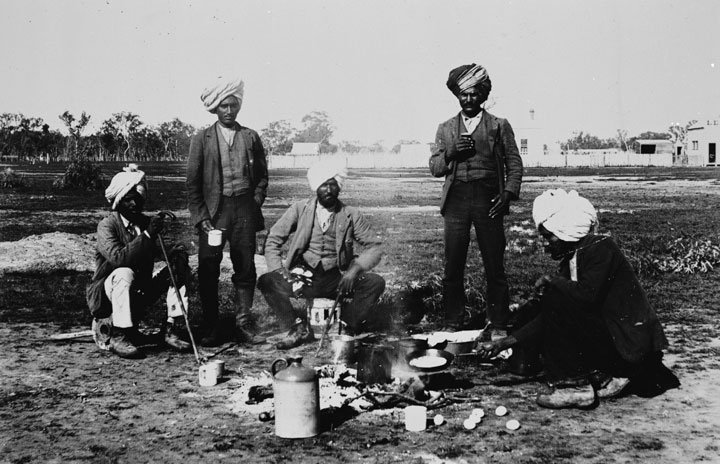
In the 19th century, Indian laborers were brought to Australia to work in various industries, including agriculture and construction. This migration laid the foundation for the Indian community in Australia, which has grown and diversified over the years. The contributions of early Indian settlers were instrumental in shaping the cultural and economic landscape of Australia.
Establishment of Diplomatic Relations
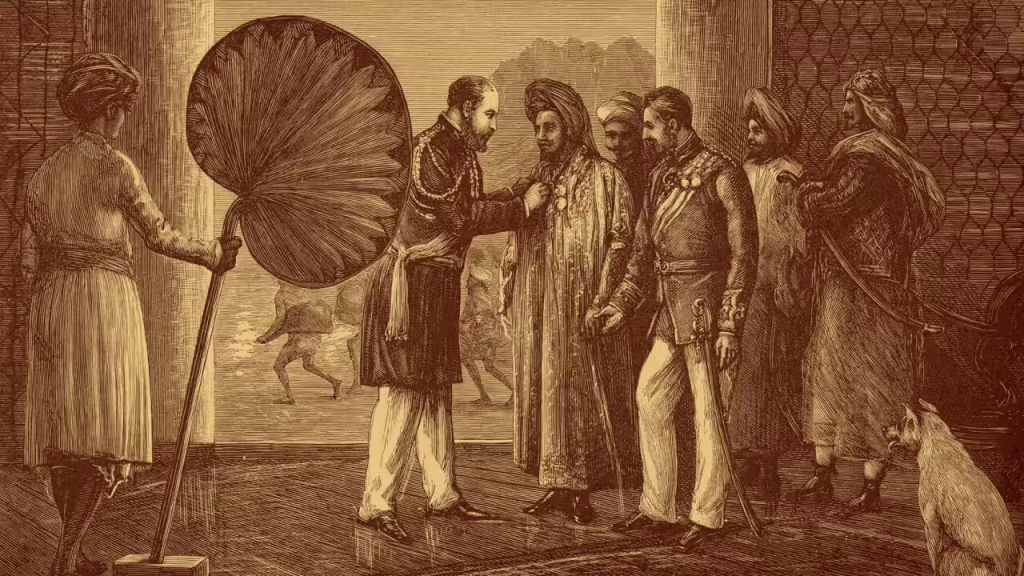
The formal diplomatic relationship between Australia and India began in the pre-Independence period. In 1941, the first Consulate-General of India was established in Sydney, marking the beginning of official diplomatic ties. This early relationship was primarily focused on trade and commerce, with both nations recognizing the potential for mutual economic benefits.
After India gained independence in 1947, diplomatic relations between the two countries were further strengthened. Australia was one of the first countries to establish a diplomatic mission in New Delhi, reflecting the importance of the bilateral relationship. Over the years, high-level visits and strategic dialogues have become a regular feature of the diplomatic engagement between Australia and India.
The Cold War Period
During the Cold War, the relationship between Australia and India experienced some challenges due to differing foreign policy orientations. India adopted a policy of non-alignment, seeking to maintain independence from both the Western and Eastern blocs. In contrast, Australia was a staunch ally of the United States and supported its efforts to contain communism.
Despite these differences, both countries continued to engage in trade and cultural exchanges. The Colombo Plan, launched in 1951, was a significant initiative that aimed to strengthen economic and technical cooperation in the Asia-Pacific region. Under this plan, Australia provided financial assistance and scholarships to Indian students, fostering educational and cultural ties.
Post-Cold War Developments
The end of the Cold War and the liberalization of India’s economy in the early 1990s marked a new phase in Australia-India relations. Both countries recognized the need to expand their engagement beyond traditional areas and explore new avenues for cooperation.
In 2009, the Australia-India Joint Declaration on Security Cooperation was signed, signaling a commitment to enhance strategic and security ties. This agreement laid the foundation for greater collaboration in areas such as counter-terrorism, maritime security, and defense.
Comprehensive Strategic Partnership
A significant milestone in Australia-India relations was the establishment of the Comprehensive Strategic Partnership (CSP) in June 2020. This partnership was announced during a virtual summit between Australian Prime Minister Scott Morrison and Indian Prime Minister Narendra Modi. The CSP emphasizes mutual understanding, friendship, and a shared vision for a peaceful, stable, and prosperous Indo-Pacific region.
The CSP encompasses a wide range of areas, including economic cooperation, defense and security, science and technology, and people-to-people ties. Both nations have committed to deepening their engagement and working together to address global challenges such as climate change, health security, and sustainable development.
Economic Ties
Economic cooperation between Australia and India has grown significantly over the years. The signing of the Australia-India Economic Cooperation and Trade Agreement (ECTA) in 2022 marked a new chapter in bilateral trade relations. The ECTA, which came into effect on December 29, 2022, has opened up new opportunities for trade diversification and economic integration.
Under the ECTA, over 85% of Australian goods exports to India are now tariff-free, and this figure is expected to rise to 90% by January 1, 2026. Key sectors benefiting from the agreement include mining, agriculture, education, and technology. The agreement also includes provisions for the protection of intellectual property rights and the promotion of investment.
Trade between Australia and India has seen steady growth, with bilateral trade valued at AUD 24.3 billion in 2021. India’s major exports to Australia include petroleum products, pharmaceuticals, and textiles, while Australia exports coal, education-related services, and agricultural products to India. The two countries have also established investment partnerships, with Australian companies investing in sectors such as infrastructure, renewable energy, and health care in India.
Cultural Connections
Cultural ties between Australia and India are strong and multifaceted, with both nations sharing a love for sports, particularly cricket, and a deep appreciation for the arts. The Indian diaspora in Australia plays a vital role in fostering these cultural ties, contributing to the arts, music, and community events.
Cricket has been a significant cultural connection between the two nations. The Border-Gavaskar Trophy, named after Australian cricketer Allan Border and Indian cricketer Sunil Gavaskar, is a symbol of the intense and friendly rivalry between the two teams. High-profile cricket matches have often served as a platform for diplomatic engagement, with leaders from both countries attending these events and engaging in discussions.
In addition to sports, cultural exchanges in the form of film, music, and dance have flourished. Bollywood films have a large following in Australia, and Indian film festivals attract significant audiences. Similarly, Australian artists and musicians have found appreciation in India, contributing to a vibrant cultural exchange.

Educational Ties
Education is another key pillar of Australia-India relations. Australia is a popular destination for Indian students seeking higher education, with over 90,000 Indian students enrolled in Australian universities in 2021. The quality of education, diverse course offerings, and vibrant campus life make Australia an attractive choice for Indian students.
The Colombo Plan, which began in the 1950s, laid the foundation for educational exchanges between the two countries. Over the years, various scholarships and exchange programs have been established to promote academic collaboration. The New Colombo Plan, launched in 2014, continues this legacy by providing Australian students with opportunities to study and undertake internships in India.
Indians in Sydney
The Indian community in Sydney is one of the most vibrant and diverse communities in the city. According to the 2021 census, there are over 200,000 people of Indian origin residing in Sydney, making it one of the largest Indian communities outside India. The community actively participates in cultural events, festivals, and community service, enriching the multicultural fabric of the city.
The “Indians in Sydney” group is a prominent community organization that plays a significant role in supporting and promoting the interests of the Indian diaspora. The organization provides a platform for networking, cultural exchange, and community service. It organizes various events, including cultural festivals, business seminars, and social gatherings, fostering a sense of unity and belonging among members.
Current Diplomatic Engagements
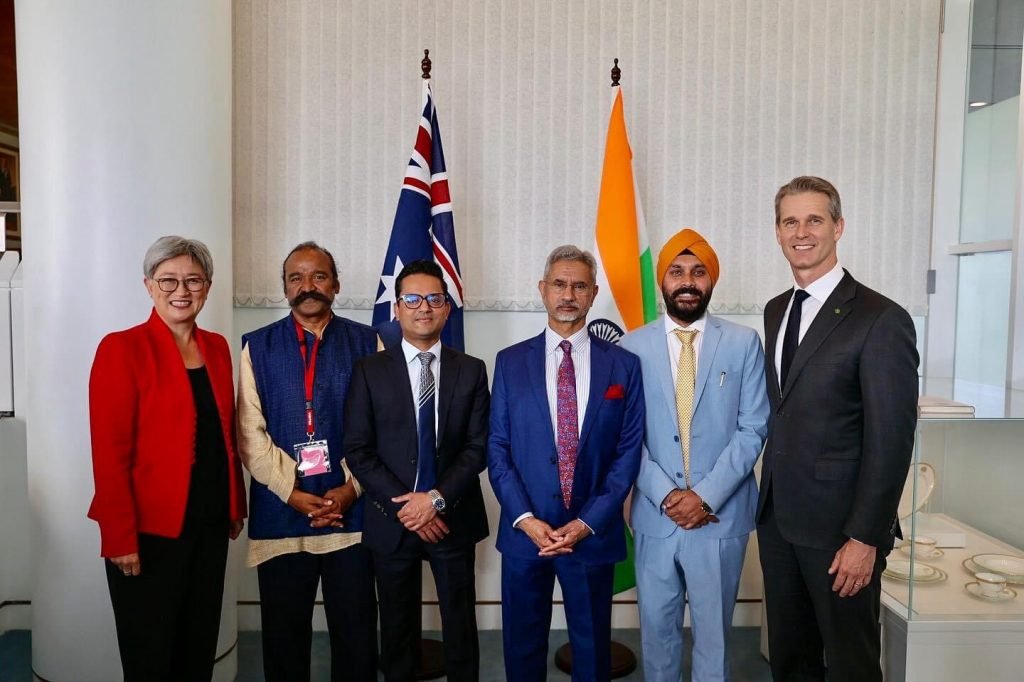
The diplomatic engagement between Australia and India continues to expand and deepen. High-level visits and dialogues have become a regular feature of the bilateral relationship. For instance, in March 2022, Australian Prime Minister Scott Morrison visited India to strengthen strategic and economic ties. The visit resulted in the signing of several agreements, including those related to defense cooperation, critical minerals, and cyber security.
Similarly, Indian Prime Minister Narendra Modi’s visit to Australia in 2014 marked a turning point in the relationship. The visit, the first by an Indian Prime Minister in 28 years, resulted in the signing of multiple agreements and the establishment of the Australia-India Strategic Partnership.
Both countries are also active participants in regional and global forums, such as the Quadrilateral Security Dialogue (Quad), the G20, and the East Asia Summit. These platforms provide opportunities for Australia and India to collaborate on addressing regional and global challenges, including maritime security, climate change, and health security.
Future Prospects
The future of Australia-India relations looks promising, with both nations committed to deepening their engagement and exploring new avenues for cooperation. The Comprehensive Strategic Partnership provides a robust framework for collaboration in various sectors, including trade, defense, education, and cultural exchange.
The increasing people-to-people ties, driven by the growing Indian diaspora in Australia and the vibrant cultural exchanges, will continue to strengthen the relationship. Educational and business partnerships will further enhance economic cooperation, creating opportunities for growth and development.
The shared vision for a peaceful, stable, and prosperous Indo-Pacific region will remain a key focus of Australia-India relations. Both countries will continue to work together to address regional and global challenges, leveraging their strategic and economic strengths to build a better future.
Australia-India relations have come a long way since their colonial beginnings, evolving into a comprehensive strategic partnership that encompasses diplomatic, economic, and cultural ties. The strong connections between the two nations are a testament to their shared history, mutual interests, and commitment to a prosperous future. The vibrant Indian community in Sydney plays a crucial role in fostering these ties, contributing to the city’s multicultural fabric and promoting cultural exchange.
As both nations continue to embrace their shared values and explore new opportunities for collaboration, the future of Australia-India relations looks brighter than ever. The evolving partnership between Australia and India is a beacon of hope for the Indo-Pacific region, demonstrating the power of diplomacy, mutual respect, and cultural exchange in building a better world.