
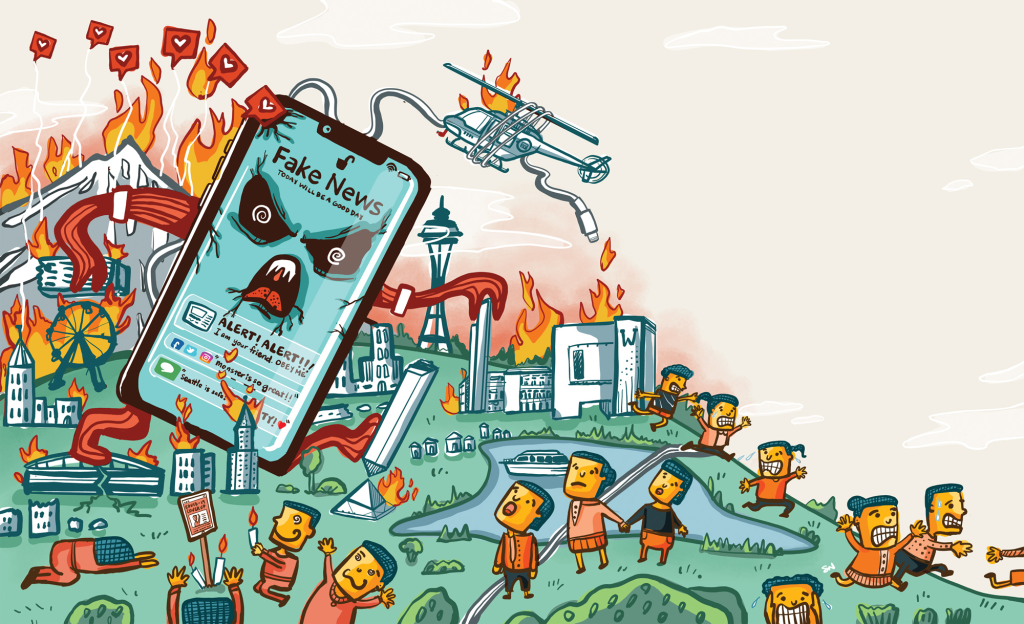
In the ever-evolving landscape of social media, misinformation has become a pervasive force, threatening the integrity of public discourse, especially during critical times like elections. As Australians prepare for the upcoming federal elections, the need for vigilance against the spread of false information has never been more pressing. With social media platforms acting as both a blessing and a curse, it’s essential to navigate the digital space with caution. This blog post aims to explore the rise of misinformation, its impact on society, and how Australians can take proactive steps to combat it.
The Rising Tide of Misinformation
Misinformation is defined as false or inaccurate information spread without ill intent, whereas disinformation refers to deliberately deceptive content created to mislead or manipulate. Both forms have flourished in the digital age, facilitated by the rapid spread of information on social media platforms. The speed at which content travels, coupled with the anonymity of online interactions, has made it easier for false claims to go viral before being debunked. The Australian Electoral Commission (AEC) has highlighted the growing threat of misinformation during election periods, noting that it poses a serious risk to the democratic process.
According to a report by the Australian Communications and Media Authority (ACMA), nearly 50% of Australians encounter some form of misinformation on social media every week. The figures are alarming when we consider how misinformation can sway public opinion, affect voting behavior, and create division within society. From fake news about candidates to manipulated videos and misleading statistics, misinformation is often used as a tool to influence elections, fuel division, and even incite violence.

The Role of Social Media
Platforms like Facebook, Twitter, and Instagram have become the primary channels for political discussions, news sharing, and public debates. However, they have also become hotbeds for misinformation. The algorithms driving these platforms prioritize sensational content, which often includes misleading or emotionally charged posts. This creates an echo chamber, where users are exposed primarily to information that aligns with their pre-existing beliefs, reinforcing biases and creating a divided digital landscape.
Meta (Facebook) and Twitter have taken some steps to curb misinformation, but these efforts have been far from sufficient. In response to the growing crisis, Meta announced a shift from third-party fact-checking to community-driven fact-checking through its “Community Notes” feature. While this move may provide more democratic control over content verification, it also introduces risks of groupthink and biases that may further skew public perception. Twitter, under new ownership, has also faced criticism for its handling of misinformation, with many claiming that the platform has become more lenient on false content, especially when it comes to political discourse.
Global Efforts to Tackle Misinformation
Several countries have introduced regulations aimed at combating misinformation, with varying degrees of success. In Europe, the Digital Services Act (DSA) requires platforms to take responsibility for illegal content and disinformation. It mandates large platforms like Meta and Google to conduct risk assessments and provide transparency reports to regulators. These regulations mark a significant step toward platform accountability, but they also raise concerns about the balance between regulation and freedom of expression.
In the United States, misinformation remains largely unregulated at the federal level, with tech companies opting for voluntary partnerships with fact-checking organizations. The Communications Decency Act’s Section 230, which protects platforms from liability for user-generated content, has sparked debate on the level of responsibility that tech companies should bear in controlling misinformation.
In Singapore, the Protection from Online Falsehoods and Manipulation Act (POFMA) allows the government to demand corrections or removals of false information. However, critics argue that POFMA has been used to silence political dissent, raising concerns about the potential for authoritarian abuse.
In Australia, fact-checking organizations like AAP FactCheck and AFP collaborate with platforms to verify claims and combat misinformation. The Online Safety Act gives the eSafety Commissioner the authority to tackle harmful online content, including misinformation. These efforts are further supported by the Communications Legislation Amendment, which seeks to increase platform accountability.
How Australians Can Fight Misinformation
As we approach election season, Australians must take proactive steps to protect themselves from the dangers of misinformation. Here are a few key strategies that can help:
1. Engage with Reputable Sources
The first step in combating misinformation is to ensure the information you’re reading or sharing comes from a credible and reliable source. Stick to trusted news outlets, academic institutions, and fact-checking organizations like AAP FactCheck and AFP. These organizations work with platforms like Meta to ensure content integrity.
2. Cross-Check and Verify
Don’t accept information at face value. Cross-check facts with multiple sources, especially if the claim seems extreme or controversial. Use fact-checking websites to verify the authenticity of the information before sharing it.
3. Report Misinformation
If you come across false or misleading information, report it using the platform’s built-in tools. Social media platforms are required by law to act on reports of harmful content, and reporting helps remove fake content from the digital ecosystem.
4. Think Before Sharing
Before hitting the “share” button, pause and ask yourself: Is this information accurate? Is it misleading? Misinformation thrives on sensationalism, so it’s important to take a moment to verify the authenticity of the content.
5. Stay Informed About Platform Changes
Be aware of changes in platform policies, such as Meta’s shift toward community-driven fact-checking. While this decentralizes the responsibility, it also carries the risk of bias or misinformation from the community itself. Stay updated on these changes and adapt your information-sharing practices accordingly.
6. Understand the Bigger Picture
During election periods, be aware that misinformation may be used as a tool to influence political outcomes. Fake news and manipulated content can be designed to sway voters or stir up division. Always consider the motivations behind the content you’re engaging with.
The Path Forward: A Collective Responsibility
In a world where information is both a powerful tool and a weapon, it’s crucial for every individual to take responsibility for the content they engage with and share. Misinformation is not just a matter of individual concern; it is a societal issue that requires collective action. By fostering critical thinking, promoting digital literacy, and supporting fact-checking organizations, we can create a more informed, responsible digital ecosystem.
In conclusion, as Australians, we must remain vigilant in the face of rising misinformation, especially as we approach federal elections. Whether it’s through verifying information, reporting false claims, or being mindful of what we share, each of us plays a role in protecting the integrity of our democratic processes. Only by working together can we ensure that the digital landscape remains a space for honest, transparent, and informed discourse.
Final Thoughts
While platforms and governments are taking steps to address misinformation, the battle against it ultimately depends on the actions of everyday social media users. As we prepare for one of the most important elections in recent history, let us all pledge to be more mindful of the information we encounter and share. In the fight against misinformation, our collective efforts can make a difference in shaping a more informed, responsible society.