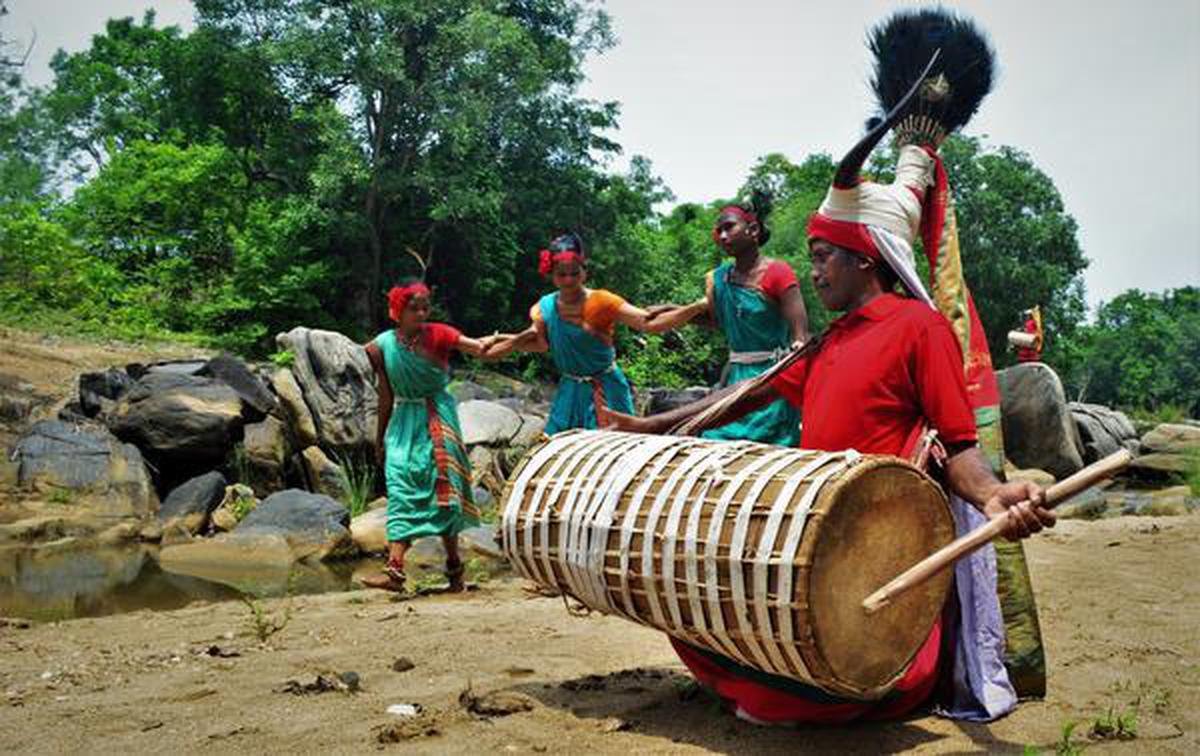
India is a land rich in cultural diversity, and its tribal communities are a testament to the country’s vibrant heritage. With over 700 distinct tribes spread across the nation, they represent an essential part of India’s social fabric. From the foothills of the Himalayas to the dense forests of central India, tribal cultures are not only an integral part of India’s historical past but also play a vital role in preserving its unique traditions and biodiversity. In this blog, we will explore some of the most significant and well-known tribes of India, highlighting their cultural importance, unique practices, and the role they play in shaping India’s diverse landscape.
1. Santhal Tribe: Guardians of the East
The Santhal tribe is one of the largest tribal communities in India, with a population spread across the states of West Bengal, Jharkhand, Bihar, and Odisha. The Santhals have a rich tradition of music, dance, and festivals, which are intrinsic to their way of life. They are known for their Chhau dance and traditional musical instruments like the dhol, madal, and banki.
Significance: Historically, the Santhals played a significant role in resisting British colonial rule. Their famous uprising, known as the Santhal Rebellion of 1855, led by Sidhu and Kanhu, stands as a symbol of resistance against oppression. Their rebellion contributed significantly to the Indian freedom movement.
Their society is deeply connected to the land, and they are primarily agrarian, depending on farming and forestry. Santhali is their language, and it belongs to the Austroasiatic language family. Despite the modernization of India, the Santhals remain fiercely connected to their roots and continue to maintain their culture through festivals such as Sarhul and Baha.
2. Bhil Tribe: The Fierce Warriors of Western India
The Bhil tribe is one of the oldest and most widespread tribal groups in India, with significant populations in the states of Rajasthan, Madhya Pradesh, Gujarat, and Maharashtra. The Bhils are famous for their martial history and their long resistance against foreign invaders, including the Mughals and the British.
Significance: The Bhils are particularly known for their contribution to the military history of India, having served as warriors in several kingdoms, including the Mewar and Maratha empires. They also played a crucial role in India’s independence struggle, with several Bhil leaders, like Rani Durgavati of Gondwana, fighting against foreign rule.
Culturally, the Bhils are known for their vibrant folk dances, particularly the Ghoomar dance, and their traditional instruments like the Pungi (flute) and Dholak. Their Bhili language, a member of the Indo-Aryan group, is an important part of their cultural identity.
3. Gond Tribe: The Spirit of Central India
The Gond tribe is one of the largest tribal groups in India, predominantly found in the states of Madhya Pradesh, Chhattisgarh, Maharashtra, and Telangana. Known for their rich cultural heritage and deep spiritual beliefs, the Gonds have contributed greatly to Indian art, particularly through their Gond paintings.
Significance: The Gonds have a strong connection to nature and are known for their sustainable agricultural practices and the use of traditional herbal medicines. They are also famed for their storytelling traditions, using art to depict legends and stories of their ancestors. The Gond people also have a history of political power, having established several powerful kingdoms in central India, such as the Gondwana Kingdom.
The Gond language, Gondi, belongs to the Dravidian language family and is still spoken by a majority of the tribe. The Gond people’s practices of painting their walls with intricate folk art have earned them international recognition.
4. Munda Tribe: The Resistance Fighters of Jharkhand
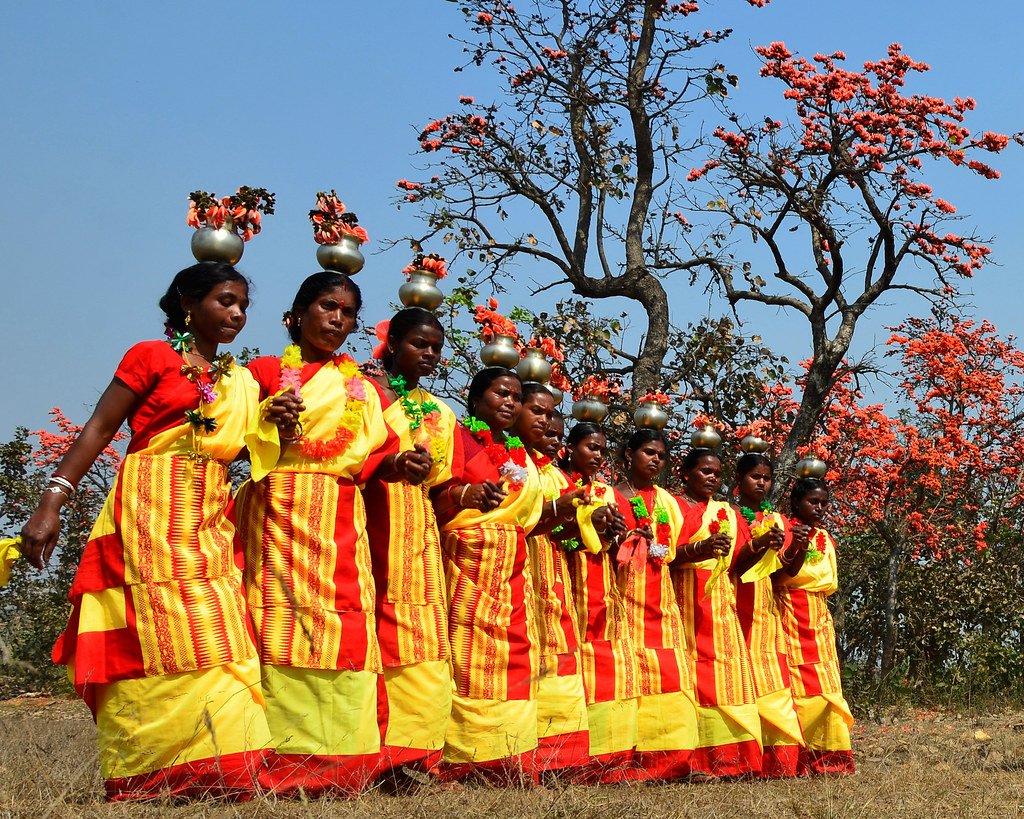
The Munda tribe, which resides predominantly in Jharkhand, Bihar, Odisha, and West Bengal, has been integral to the development of the region’s history. The Mundas are known for their agricultural practices, rich folklore, and strong community values.
Significance: The Munda tribe is historically significant for their role in the Munda Rebellion led by the legendary leader Birsa Munda in the late 19th century. This uprising, against the oppressive colonial rulers and landlords, is considered one of the most important movements in Indian history, contributing to the country’s freedom struggle.
The Mundari language, a part of the Austroasiatic language family, is still widely spoken among the tribe. Their rituals surrounding birth, marriage, and death are unique, and their festivals, such as Sakhua and Karam, play a significant role in their social fabric.
5. Khasi Tribe: The Matrilineal Society of Meghalaya
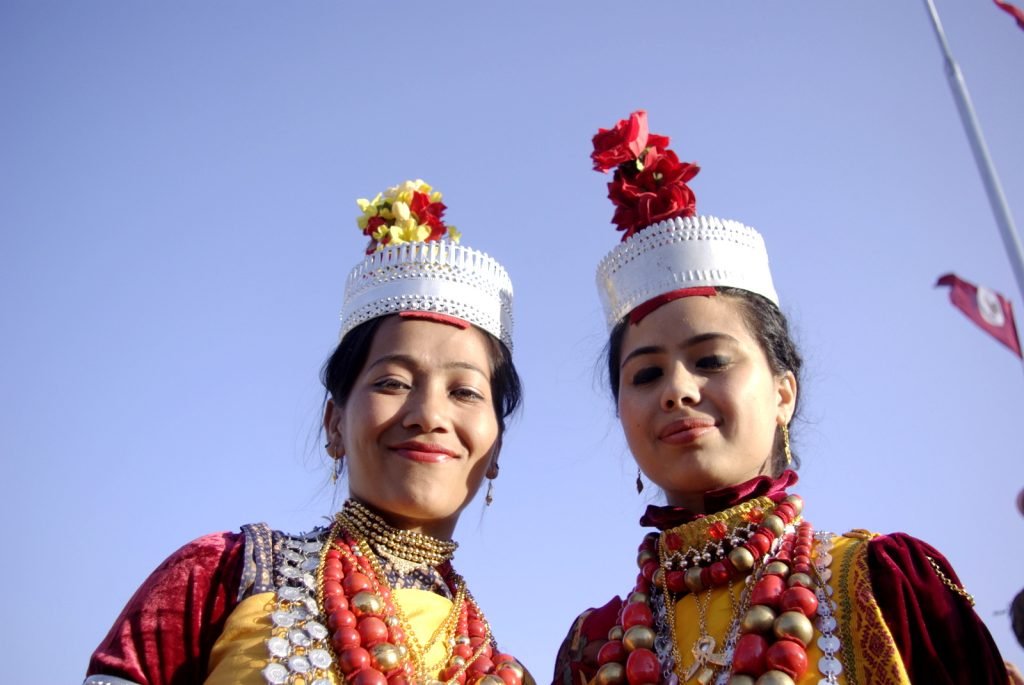
The Khasi tribe is one of the most fascinating indigenous communities of India due to their matrilineal social structure, where lineage and inheritance are traced through the mother. The Khasi people are predominantly found in the state of Meghalaya, where they have lived for centuries, preserving their unique traditions and customs.
Significance: The Khasi tribe’s social structure and governance system, based on clan councils, is an excellent example of indigenous democracy. They are known for their eco-friendly agricultural practices and their worship of nature, as seen in their reverence for the sacred forests of Meghalaya.
The Khasi language belongs to the Austroasiatic language family and is widely spoken across the region. Their unique practice of megalithism, where they erect stone monuments to mark significant events, makes their culture even more distinct.
6. Other Notable Tribes
While these five tribes are some of the most prominent in India, it’s essential to also recognize others who have made a significant impact:
- Naga Tribe: Located in the Northeast, the Nagas are known for their unique headhunting tradition, which they have since abandoned, and their intricate weaving techniques.
- Siddi Tribe: The Siddis, descendants of African slaves and soldiers, are primarily found in Gujarat and Karnataka. They are known for their rich cultural traditions, dance forms, and musical styles.
- Toda Tribe: Inhabiting the Nilgiri Hills in Tamil Nadu, the Toda people are famous for their dairy farming practices and intricate handicrafts.
Each tribe contributes uniquely to India’s cultural mosaic, enriching the nation’s history and traditions. Despite facing challenges such as displacement, loss of land, and modernization, these tribes continue to preserve their way of life and are central to India’s multicultural identity.
Join Indians in Sydney for Cultural Discovery
At Indians in Sydney, we believe that learning about the diverse cultures of India is vital for fostering greater understanding and appreciation among all communities. By celebrating the culture, traditions, and contributions of the tribes mentioned above, we are helping build a more inclusive and connected world. We encourage everyone to join Indians in Sydney and be part of a community that strives to bridge cultural gaps, celebrate diversity, and promote inclusivity.
Join us as we continue to explore India’s rich history, traditions, and cultural significance. Stay connected, participate in events, and discover the vibrancy of India through the lens of the diverse tribal communities that make up this beautiful country.