From the banks of the Yamuna to the shores of Darling Harbour, the “Festival of Colours” has evolved from a nostalgic memory into a cornerstone of Australia’s multicultural identity.
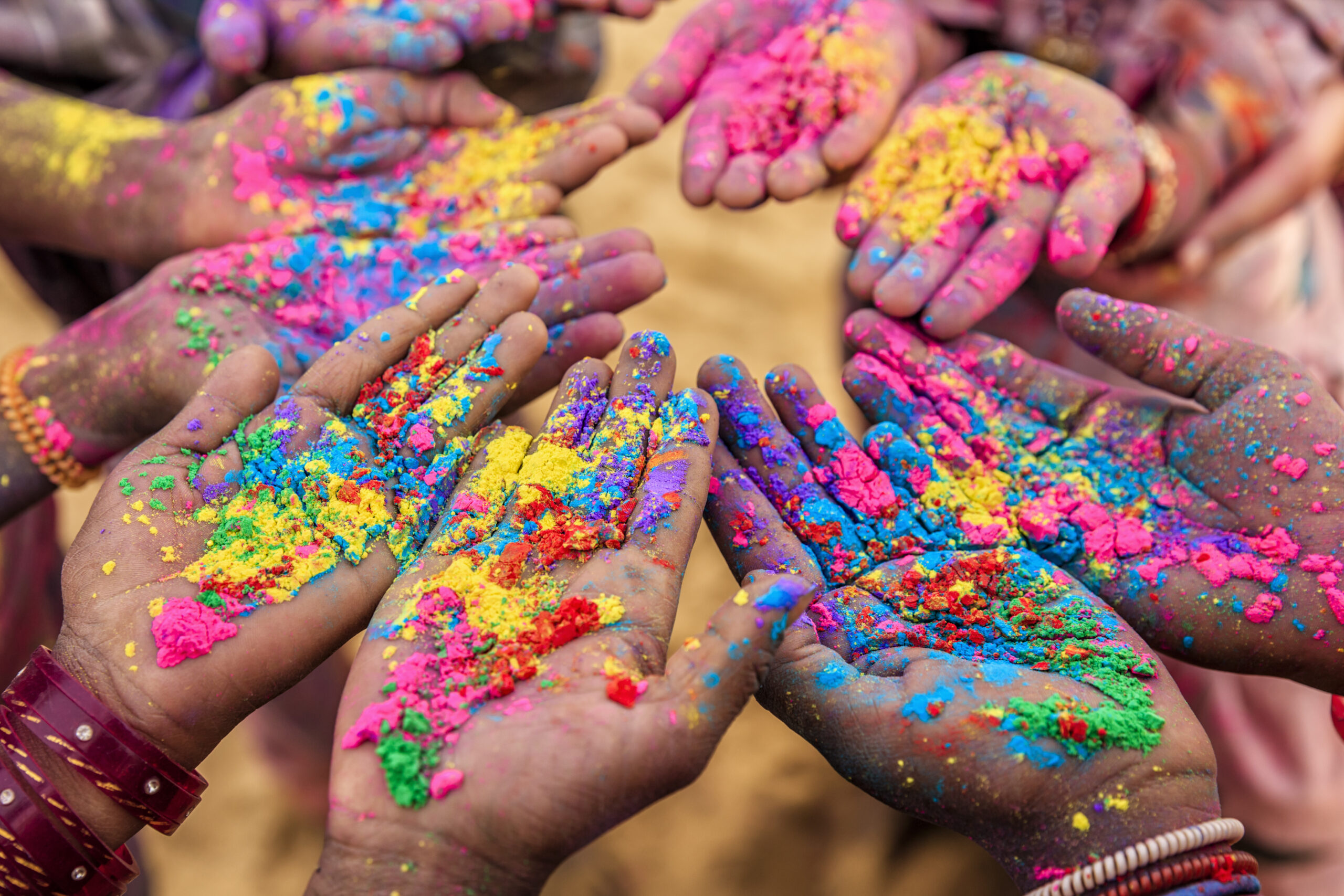
SYDNEY — In the shimmering heat of a March afternoon at Tumbalong Park, Arpita Varma stands still for a moment, her white kurta now a chaotic canvas of electric pink, neon green, and sun-drenched yellow. Around her, the air is thick with the scent of thandai and the rhythmic, bone-shaking thrum of a dhol.
“When we first moved to Blacktown in the late nineties, Holi was a backyard affair,” Arpita says, wiping a smudge of purple powder from her sunglasses. “We’d invite two other families, play some old Bollywood cassettes, and try not to get the grass too stained. Today? I’m here with my daughter, her Australian classmates, and three thousand strangers. It feels like the whole city is blushing.”
Arpita is one of tens of thousands of South Asians across New South Wales celebrating Holi this week. But in 2026, the festival has transcended its religious roots to become something more: a public declaration of belonging. As the Indian diaspora continues its trajectory as the second-largest and fastest-growing migrant group in Australia, Holi in Sydney has transformed into a high-production, multi-day cultural juggernaut.
A Landscape Painted in Unity
The scale of Holi 2026 is unprecedented. Over the weekend of March 7th and 8th, the Sydney Holi Festival at Darling Harbour turned the CBD into a kaleidoscope. This year, the introduction of “Holi After Dark”—where traditional powders were replaced by UV-reactive glow colours under stadium lights—signaled a shift toward a younger, second-generation audience that craves a blend of heritage and modern festival culture.
But the heart of the celebration remains in the suburbs. In Parramatta’s Prince Alfred Square, the Holi Mela (March 8th) drew massive crowds, while localized festivals in Quakers Hill (March 21st) and Penrith continue to pop up, catering to the growing “Little Indias” of the West.
“What is truly wonderful is the way Holi has been so enthusiastically absorbed into the story of modern Australia… its joyful expression of colour, love, and new life heartily embraced by people of all backgrounds.” — Prime Minister Anthony Albanese, Holi 2026 Message.
For many, the festival’s significance is rooted in the legend of Prahlad and the burning of the demoness Holika—a metaphor for the triumph of good over evil. In the diaspora, however, “good” often translates to social cohesion.
“Holi is the great equalizer,” explains Dr. Sandeep Rohila, a cultural researcher based in Sydney. “Back home, it breaks down caste and class barriers. Here in NSW, it breaks down the ‘outsider’ barrier. When you are covered in gulal (powder), no one knows your background, your job title, or how long you’ve had your PR. You’re just a person sharing a moment of joy.”
The Sound of Home, Reimagined
This year’s celebrations also highlighted a deeper artistic revival. At various stages across the state, performers like Sydney-based singer Rachna Bhatnagar worked to ensure the festival didn’t lose its soul to generic EDM beats.
By blending ancient folk melodies from the Braj region of India with contemporary arrangements, artists are providing a soundtrack to the migrant experience. “It’s about more than just throwing powder,” Bhatnagar noted in a recent showcase. “It’s about carrying the vibration of our ancestors into this new soil.”
This cultural preservation is vital for parents like Rajesh Iyer, who brought his six-year-old son to the Chifley Park celebrations in Lalor Park. “I want him to know why we do this. I want him to taste the pani puri from the street stalls and hear the songs my grandfather sang, but I want him to do it here, in his home, Sydney.”
The Business of Colour
The economic footprint of Holi in NSW has reached new heights in 2026. The opening of Grosco by Exotic Grocer in North Penrith coincided with Holi festivities, highlighting the massive demand for authentic goods—from high-grade cornstarch powders to specialized sweets like gujiya.
Events have moved from community halls to iconic public spaces, requiring sophisticated logistics, “Maharaja” VIP passes, and corporate sponsorships. Yet, despite the commercialization, the “spirit of the street” remains. Whether it’s the live dosa counters in Parramatta or the community-led “Soul Connections” event in Lalor Park, the focus remains on the “oneness of the human spirit.”
A Permanent Hue
As the sun sets on another Holi season, the pink dust eventually settles on the pavement of the CBD and the suburban parks of the West. The stains on the clothes might wash out, but the cultural imprint on New South Wales is permanent.
Holi in Sydney is no longer just an “Indian festival” observed by a minority; it is a Sydney festival. It represents a diaspora that has moved past the “survival” phase of migration into a “flourishing” phase—where they no longer just fit into the existing culture but actively paint it with their own vibrant hues.
For Arpita Varma, as she packs her stained sneakers into a plastic bag, the feeling is one of quiet pride. “We aren’t just visitors here anymore,” she says. “Sydney looks better in these colours.”