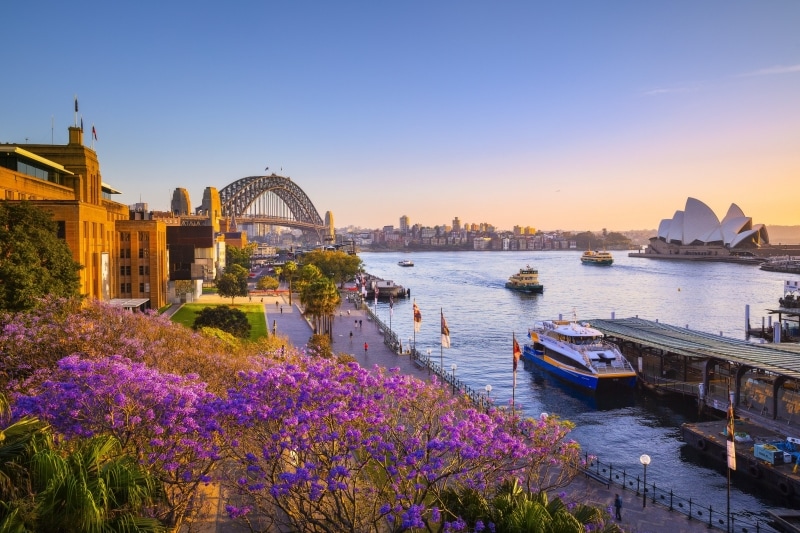
Tourism is evolving as a critical component of the global economy, and no market holds as much promise for Australia as India. By 2035, 70 million Indians are expected to travel overseas annually, and the economic potential of this market is staggering. Indian tourism alone could contribute over $9 billion annually to the Australian economy, making it one of Australia’s fastest-growing and most lucrative tourism markets.
The growing ties between India and Australia in tourism represent more than just leisure travel—they are a gateway to strengthening bilateral relationships, enhancing cultural connections, and fostering economic growth.
The Significance of the Indian Market for Australia

India’s travel aspirations have grown exponentially due to an expanding middle class, higher disposable incomes, and a desire for global experiences. For Australia, this means an incredible opportunity to establish itself as a premier destination for Indian tourists.
The latest figures from 2023 underscore this growth:
- Indian travelers spent a total of AUD $935 million on leisure trips to Australia, marking a 21% increase compared to 2022.
- By strategically targeting both high-volume and high-value Indian travelers, Australia can sustain its tourism sector while fostering deeper ties between the two nations.
How Australia Can Attract More Indian Travelers
To maintain and grow its share of the Indian outbound tourism market, Australia must adopt a comprehensive approach:
1. Strengthening Connections with the Diaspora
The Indian diaspora in Australia is vibrant, with deep family and community ties. Many Indian travelers visit friends and relatives (VFR), and this segment represents a stable and growing market. By nurturing this connection, Australia can build on an existing base of loyal visitors.
2. Targeting New Growth Niches
While VFR travel is a strong foundation, Australia should also target other high-potential niches:
- Luxury Travelers: High-value Indian travelers seeking bespoke experiences in places like Sydney’s harbor, the Great Barrier Reef, and beyond.
- Business Travelers: With India’s growing economy, business travel between the two nations is on the rise. Enhanced connections can drive tourism revenue while fostering trade and investment relationships.
3. Improving Accessibility
A seamless travel experience is crucial for encouraging Indian tourism:
- Visa Settings: Simplifying visa processes for Indian travelers will reduce barriers and encourage more visits.
- Direct Flights: More direct connections between Australia and India are essential for boosting tourism. Airlines and governments must collaborate to increase flight routes, reduce travel times, and offer competitive pricing.
4. Tailored Marketing and Development
Australia must become “India ready” by understanding Indian travelers’ preferences and expectations. Targeted campaigns highlighting:
- Unique Australian experiences, such as Indigenous culture, natural wonders, and adventure tourism.
- Multicultural and welcoming communities, emphasizing Australia’s diversity and inclusivity.

5. Developing an ‘India-Ready’ Workforce
Training tourism staff to cater to Indian tourists’ specific needs—such as dietary preferences, cultural nuances, and language assistance—will significantly enhance the travel experience.
6. Enhancing Bilateral Relations through Tourism
Tourism is not just an economic driver but also a cultural bridge. By welcoming Indian tourists warmly, Australia can improve perceptions of itself in India as a diverse, advanced, and inclusive economy. These positive perceptions can enhance broader bilateral relationships, facilitating trade, investment, and cultural exchanges.
Sydney: The Gateway for Indian Tourists
Sydney remains at the heart of Indian tourism in Australia. Its blend of iconic attractions and strong Indian community ties makes it the first choice for many travelers.
Top Reasons Indians Choose Sydney:
- World-Class Attractions: The Sydney Opera House, Bondi Beach, and Sydney Harbour are must-visit landmarks that captivate tourists worldwide.
- Cultural and Culinary Hubs: Areas like Harris Park offer a slice of India in Australia, with authentic Indian food, festivals, and community events.
- Cricket and Sports: Sydney’s love for cricket aligns perfectly with India’s passion for the sport, making events at the Sydney Cricket Ground a huge draw.

The Role of Governments in Strengthening Tourism
While tourism is largely private-led in both India and Australia, governments play an important enabling role. Tourism Australia has already invested in targeted campaigns to promote the country in India, but more can be done:
- Facilitating visa processes for Indian travelers.
- Negotiating for increased direct flights and affordable airfares between India and Australia.
- Supporting businesses in creating tailored experiences that appeal to Indian travelers.
Favorable outcomes in tourism will ripple across other sectors of the bilateral relationship. Increased tourism can enhance cultural literacy, strengthen face-to-face connections, and create new opportunities for collaboration in trade, education, and innovation.
Looking Ahead: A $9 Billion Opportunity
With India’s outbound travel market set to grow, the opportunity for Australia to capture a significant share is undeniable. However, success will depend on strategic planning, improved connectivity, and targeted development. By becoming “India ready,” Australia can ensure it remains a top choice for Indian travelers.
Tourism is more than just an economic activity—it is a tool for fostering relationships, building cultural bridges, and creating lasting memories. For Australia and India, the journey ahead is filled with possibilities, with tourism at the heart of this thriving partnership.
As the world becomes more connected, one thing is certain: Indian tourists will continue to flock to Australia, and Sydney will remain their gateway to unforgettable experiences. The future is bright, and the opportunity is immense. Let’s make it happen.