
June 21st marks a global celebration that brings people together in the spirit of wellness and harmony – the International Day of Yoga....
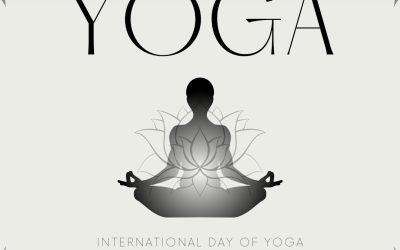

June 21st marks a global celebration that brings people together in the spirit of wellness and harmony – the International Day of Yoga....
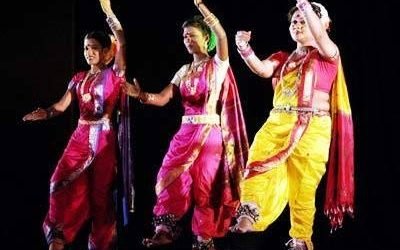
Indian traditional music is a treasure trove of cultural heritage, reflecting the diverse tapestry of the nation's regional cultures....
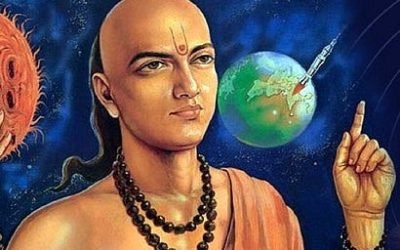
India, often hailed as the cradle of civilization, boasts a rich history of innovation and discovery that spans centuries. From pioneering...
India, a treasure trove of cultural richness, boasts a legacy of classical arts that transcend time. Indian classical music and dance, steeped in tradition and spirituality, have flourished for centuries, evolving into intricate and soul-stirring art forms. In this exploration, we delve into the enchanting world of Indian classical music and dance, celebrating the diverse styles, eminent maestros, and the profound cultural significance of these living traditions.
Hindustani classical music, originating from the northern regions of India, is a mesmerizing blend of Persian and Indian musical traditions. Its foundation lies in the concept of ragas (melodic frameworks) and taals (rhythmic cycles). Renowned for its improvisational nature, Hindustani music is a spiritual journey that connects the artist and the audience.
Maestros and Styles:
Carnatic classical music, rooted in the southern part of India, is characterized by intricate melodic and rhythmic patterns. The focal point of Carnatic music is the exploration of ragas and intricate rhythmic structures called talas. It thrives on the dynamic interplay between the vocalist and accompanying instruments.
Maestros and Styles:
Originating in Tamil Nadu, Bharatanatyam is one of the oldest classical dance forms in India. It is characterized by intricate footwork, expressive gestures (mudras), and captivating facial expressions. Bharatanatyam often narrates mythological stories, portraying the dancer as a storyteller.
Maestros:
Hailing from Northern India, Kathak is a dynamic dance form that combines intricate footwork, rhythmic patterns, and storytelling. The dancer, known as a kathakar, engages the audience through expressive storytelling, often drawing from classical literature and mythology.
Maestros:
Indian classical music and dance are more than artistic performances; they are pathways to spiritual and emotional realms. Rooted in ancient scriptures, these art forms serve as a means of connecting with the divine and expressing profound human emotions. They transcend language barriers, offering a universal language that resonates with audiences worldwide.
While Indian classical music and dance continue to thrive, there are challenges in preserving these rich traditions. Efforts by institutions, artists, and cultural enthusiasts play a crucial role in ensuring that the legacy is passed down to future generations. Festivals, academies, and digital platforms contribute to the accessibility and appreciation of these art forms.
As we navigate the intricate melodies of classical music and the expressive movements of classical dance, it becomes evident that these living traditions are a testament to India’s cultural tapestry. The maestros, styles, and cultural significance of Indian classical music and dance form a timeless legacy that resonates across borders, inviting enthusiasts to partake in the spiritual and artistic journey that continues to unfold, transcending the boundaries of time and space.