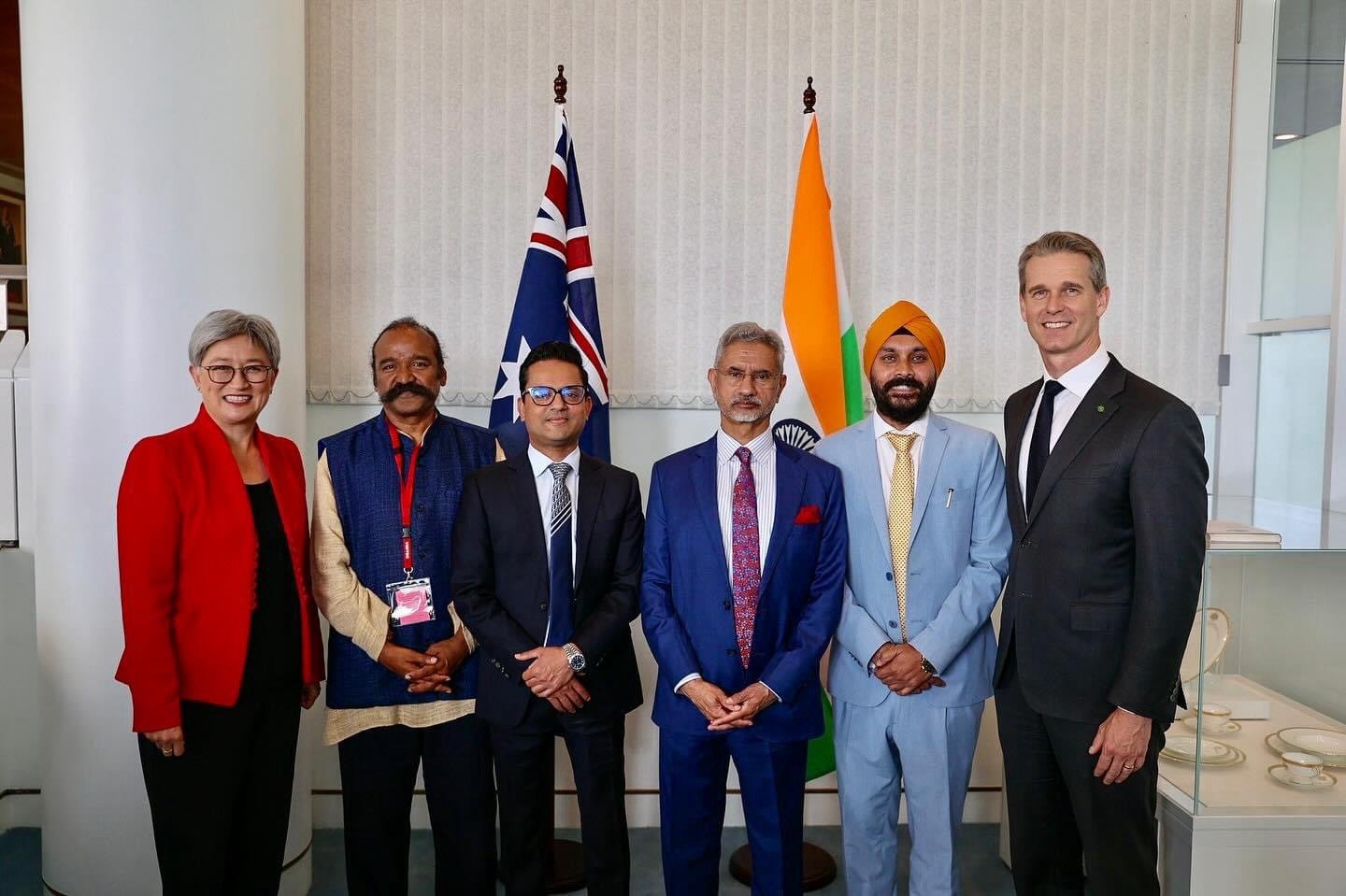
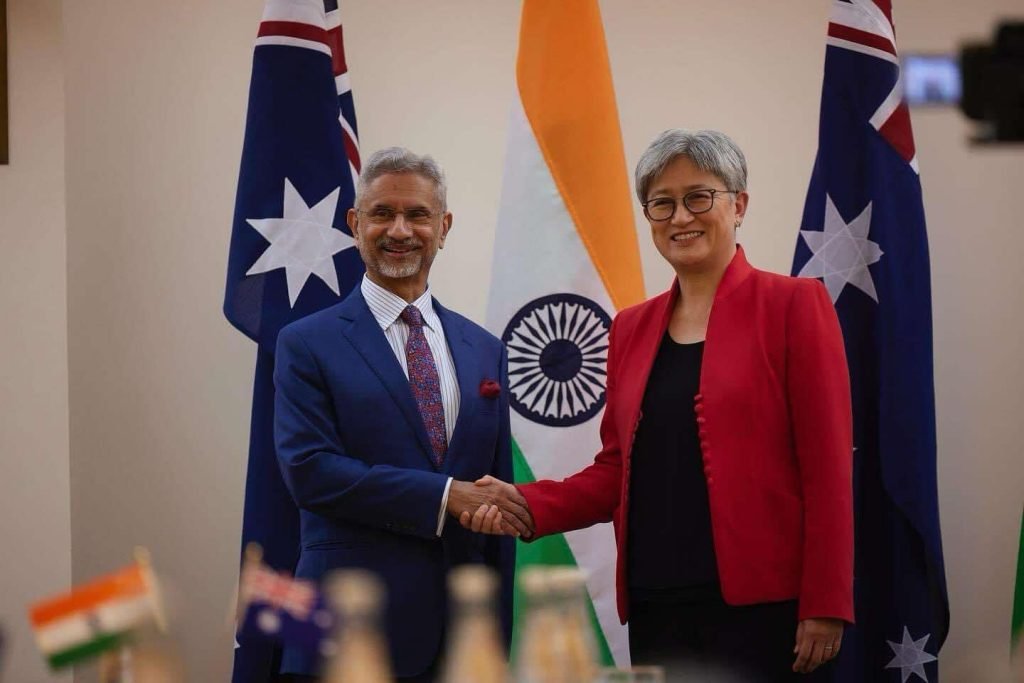
India’s relationship with Australia has grown remarkably over recent years, developing from trade and diplomatic engagements to a more profound strategic partnership rooted in shared regional goals. Dr. S. Jaishankar, India’s Minister of External Affairs, recently visited Canberra, engaging in the 15th Australia-India Foreign Ministers’ Framework Dialogue with his counterpart, Foreign Minister Penny Wong. This significant meeting highlighted the deepening ties between the two countries and underscored a commitment to fostering stability and prosperity in the Indo-Pacific region.
Context of Dr. Jaishankar’s Visit
Dr. Jaishankar’s visit comes at a critical time, as both nations seek to fortify their bilateral ties amid shifting geopolitical dynamics. His meeting with Minister Wong centered around multiple areas of mutual interest, including cyber and critical technology, clean energy, agriculture, education, and skills exchange. These discussions are a testament to the alignment in vision shared by India and Australia, where both nations see the value in collaboration, not only for their own advancement but also for the regional and global good.
Australia’s commitment to fostering meaningful connections with India was reflected in Minister Wong’s announcement of a First Nations Business Mission to India. This initiative aims to support partnerships for First Nations businesses, providing opportunities to engage with Indian markets and explore new avenues for collaboration. This mission symbolizes Australia’s interest in not only expanding economic opportunities but also creating cultural connections that enhance mutual understanding and respect.
A Focus on Emerging Sectors and Innovation
Among the highlights of the visit was the announcement of six new projects funded under the Australia-India Cyber and Critical Technology Partnership. This partnership addresses crucial aspects of technological development and cybersecurity, acknowledging the rapid digital transformation in both countries. With an increasing need for secure and resilient digital infrastructures, Australia and India have recognized the importance of safeguarding their technology landscapes while simultaneously fostering innovation.
The discussions also focused on clean energy, a sector where both nations are making strides. As climate change concerns grow, the move toward renewable energy and sustainable practices is more pressing than ever. For India and Australia, both of which are rich in resources and have the capacity for green energy development, this collaboration holds the potential for transformative impact. Joint research and technology sharing in renewable energy, battery storage, and emissions reduction could position both countries as global leaders in sustainable practices, contributing to a cleaner and greener future.
Dr. Jaishankar’s Insights on India’s Role
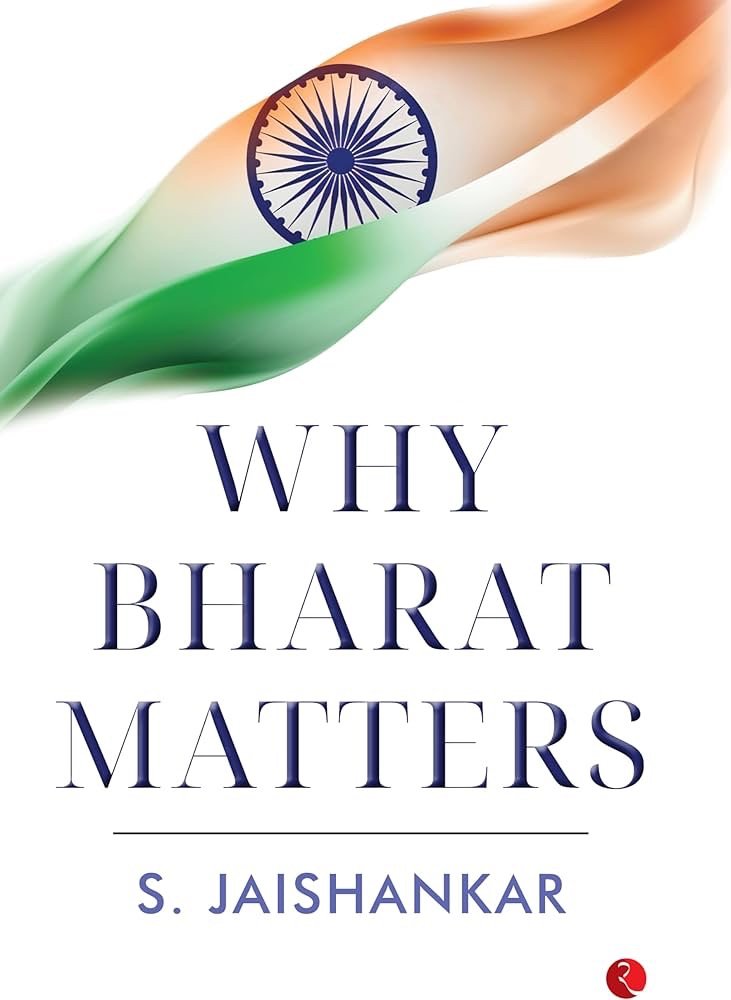
A pivotal point of Dr. Jaishankar’s visit is captured in his book, Why Bharat Matters. This work provides a comprehensive look at India’s role on the global stage, shedding light on the economic, cultural, and strategic importance of India as a growing power. Dr. Jaishankar argues that India’s significance goes beyond its demographic or economic size—it’s also about the values India upholds and the potential it holds as a partner in shaping a balanced and multipolar world order.
Through Why Bharat Matters, Dr. Jaishankar highlights the core aspects that make India an essential partner for countries like Australia: a shared commitment to democratic values, the rule of law, and an international order grounded in fairness. His perspectives underscore the idea that as India rises, it brings with it a vision that resonates with Australia’s own foreign policy objectives.
Complementary Views in Dr. Andrew Charlton’s Pivot to India
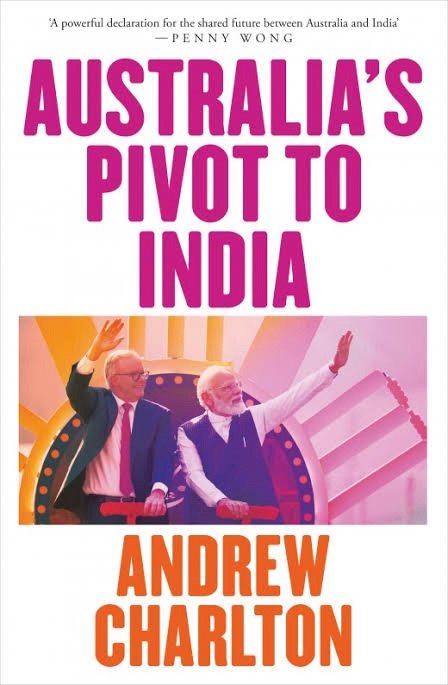
Dr. Andrew Charlton’s recent book, Pivot to India, explores the strategic necessity for Australia to cultivate its relationship with India. Dr. Charlton, a Federal Member of Parliament, sees India not only as an economic partner but as a country central to Australia’s future prosperity. As economic ties diversify and Australia seeks to reduce dependency on any single market, India emerges as an invaluable partner, offering opportunities in sectors like technology, education, and clean energy.
Charlton’s book aligns well with Dr. Jaishankar’s vision in Why Bharat Matters. Both authors argue that a robust relationship between Australia and India is beneficial for regional security and economic stability. Charlton’s insights bring attention to the reality that India’s market size, talent pool, and innovation potential are pivotal to Australia’s interests. Together, Why Bharat Matters and Pivot to India frame a compelling case for a future where India and Australia stand as pillars of a collaborative Indo-Pacific.
Strengthening Ties Through Shared Values and Community Contributions
The discussions between Dr. Jaishankar and Minister Wong went beyond economics and technology. Their dialogue celebrated the social and cultural contributions of the Indian community in Australia. This community is a vibrant force, reflecting shared values of democracy, hard work, and community spirit. Nadeem Ahmed from Indians in Sydney was privileged to be invited to this event by Dr Andrew Charlton along with community leaders including Gurnam Singh from the Australian Indian Sports, Educational and Cultural Society, and Sai Paravastu, National President of the Hindu Council Australia, which underscored the invaluable contributions of Indian Australians to the social fabric of the country.
Minister Wong and Dr. Jaishankar’s meeting highlighted how the cultural richness of the Indian diaspora strengthens the bilateral relationship. From academic institutions and research initiatives to community organizations and businesses, the contributions of Indian Australians reflect the strength of multiculturalism and reinforce the idea that both nations are stronger together.
Looking Ahead: A Strategic Partnership for Regional Stability
India and Australia share a vision of a free, open, and inclusive Indo-Pacific, where all nations have a stake in peace and prosperity. This vision is essential as both countries face the challenges posed by global economic shifts and regional security dynamics. By reinforcing diplomatic, economic, and cultural ties, India and Australia are better positioned to respond to these challenges and contribute to a balanced and peaceful regional order.
The future of India-Australia relations holds promise not only in defense and security but also in fostering people-to-people ties. Initiatives like the First Nations Business Mission to India and the Cyber and Critical Technology Partnership are evidence of a well-rounded approach, reflecting a genuine commitment to cooperation across sectors.

A Partnership for the Future
Dr. Jaishankar’s visit to Australia underscores a relationship that has grown stronger with each passing year. His dialogue with Minister Wong serves as a reminder of the shared goals, common values, and strategic interests that India and Australia hold. The journey ahead is one of collaboration, resilience, and innovation as both nations seek to navigate a complex global landscape together.
As reflected in the writings of Dr. Jaishankar and Dr. Charlton, India and Australia’s partnership is more than just diplomatic—it is a blend of shared history, values, and aspirations. Together, they are shaping a vision for a region grounded in peace, stability, and mutual prosperity. The dialogues, agreements, and initiatives resulting from this visit stand as milestones in the journey toward an enduring India-Australia partnership.